
In the transportation industry, one cannot afford to be without the knowledge of what is a commercial driver record.A commercial driver record is the driving history file of a commercial driver who is licensed with a commercial driver license (CDL). It manifests the status of licensing, the previous violations, suspensions, disqualifications, and other safety issues related to one’s capability to hold a commercial driver’s license. In contrast to personal driving histories, commercial driver records are somewhat more complicated and specific. They are issued and maintained under strict protocols, are subjected to constant checks, and are integrated with the eye on recruitment and program compliance.
This driving record check is a core element of employment screening across the transportation industry.
In the logistics and trucking industry, a driver’s record reflects not just past actions but is also a tool for the driver to influence what is available to him today and career progression tomorrow. For carriers, regulators, and insurers, the driver’s record is the most significant evidence of risk, reliability, and regulatory compliance.
A clean driver safety record directly impacts driver qualification and long-term employment stability.
What Is a Commercial Driver Record?
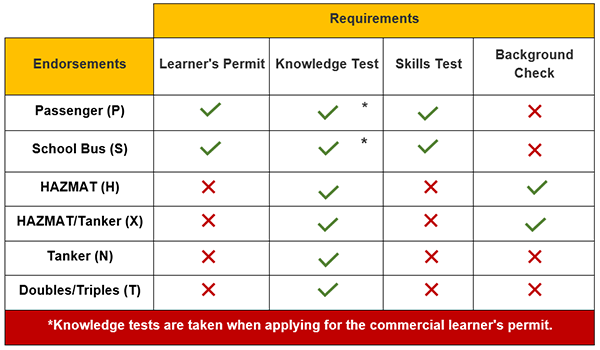
A commercial driver record is the totality of a CDL holder’s driving experience when it comes to commercial vehicle operation. In some cases, it is also known as a motor vehicle record (MVR) but for a person utilizing a CDL, it has special features not found in these records.
This record has the following particulars: the driver’s license vest, certificates, restrictions, traffic violations, your accidents, your license suspension and your disqualification periods. Every prominent entry is an action of either the driver or the regulation and law enforcement systems that create a safety profile that can be traced over time.
This safety profile includes:
- the driver’s license status and restrictions
- certificates and operational permissions
- traffic violations and recorded accidents
- license suspension periods
- driver disqualification events
For CDL holders, this record functions as an official driver history report within national driver information systems.
By nature, the employment of commercial drivers does not reset the record. It marks the driver as a permanent traveler between the companies, states, and the business models he operates in, and he bears a consistent driver history report that he needs to administer throughout his career.
Driver record maintenance becomes a continuous responsibility rather than a one-time administrative task.
National Systems Behind Commercial Driver Records
Commercial driver records are linked with integrated information systems that are designed to detect and prevent duplication, concealment, and manipulation of driving histories. Among other systems, the CDLIS (Commercial Driver’s License Information System) is key, allowing the driver only one CDL issuer all over the United States.
CDLIS operates as a national driver information system that protects record integrity.
One more important platform is the National Driver Register that has records of drivers whose licenses were suspended, revoked, or denied. Through this mechanism, one can always ensure that high-risk driving violations have visibility across state lines and that a driver license status cannot quietly be being put into operation somewhere else.
These systems are critical for identifying driver disqualification events nationwide.
With these systems, the integrity of national driver records and their enforcement stands firm.
Why Commercial Driver Records Matter in Trucking
More than just a data point, commercial driver records are the very backbone of compliance with safety protocols in trucking. Each regulatory requirement that addresses driving qualifications is ultimately dependent on the validity and completeness of driver records.
Regulatory compliance relies on verified driver record information at all times.
From the viewpoint of the carrier, these records directly impact insurance costs, fleet safety scores, audit results, and legal liability. Hiring a driver having a hidden suspension or unresolved offenses can lead to court fines, out-of-service orders dispatching, or longer examination times from regulatory officials.
This makes driver background checks a mandatory step before onboarding.
Among truck drivers, it is well known that their records contribute directly to available jobs, salary offered, routes, and even future career opportunities.
Function in Employment Screening and Hiring Decisions

Driver record check has now become the norm and this is true with all companies in trucking that demand this process to be performed. Carriers are lawfully bound to get a truck driver’s motor vehicle records and also to evaluate the driver’s qualification status.
Employment screening increasingly focuses on long-term driver performance rather than isolated incidents.
The process, however, does much more than the detection of a solitary violation. The employers are turning to patterns in behavior, frequency of the incidents, and the older crime types for their risk assessment.
This holistic review strengthens driver qualification evaluation.
The results from the analysis are incorporated in the truck driver’s qualification file and it is a legal requirement to maintain it throughout the employment term, as well as update it regularly.
The driver qualification file is one of the most audited compliance documents in trucking.
Core Components of a Commercial Driver Record
| Record Component | Description |
| License status | Active, suspended, revoked, or disqualified |
| CDL class & endorsements | Vehicle types and operational permissions |
| Traffic violations | Moving and non-moving violations |
| Accident history | Recordable crashes and fault indicators |
| Disqualification events | Mandatory removal from service periods |
| Driver license status changes | Renewals, downgrades, reinstatements |
Driver Qualification and Ongoing Regulatory Compliance
Commercial driver records cannot be considered as tools for hiring only, they are been continuous compliance tools. The regulations require carriers to continuously monitor the driver license status, not just at the time of their employment.
Ongoing driver monitoring reduces regulatory risk and safety exposure.
This involves tracking the new violations that were issued recently, and the suspension and lapse of endorsements that are newly issued. Many fleets have started to use automated methods for driver monitoring and get notifications when there is a change in the driver’s record.
Driver record access enables proactive compliance management.
The Long-Term Profile of Common Violations
The offenses that a commercial driver record reflects sometimes differ in severity but usually they all factor into the driver safety profile what is speeding, improper lane changes, hours-of-service violations, and failure to obey traffic controls might be the most common examples.
These patterns directly influence driver safety record scoring.
Common violation patterns reflected over time include:
- speeding incidents
- improper lane changes
- hours-of-service violations
- failure to obey traffic controls
When the time goes by the accumulated violations increase the disqualification of the driver or restricted job options.
What Is A Clean Driving Record For Cdl? – CountyOffice.org
License Suspension, Disqualification, and Recovery
License suspension is among the most annoying things that can happen during the life of a commercial driver.
Driver disqualification has immediate and long-term employment consequences.
Disqualification periods are not only federally mandated but are stringently regulated by national systems as well.
Employment Impact of Driver Record Status
| Driver Record Status | Employment Implications |
| Clean record | Access to premium carriers and routes |
| Minor violations | Limited opportunities, increased monitoring |
| Multiple violations | Restricted hiring options |
| License suspension | Immediate removal from service |
| Disqualification history | Long-term career limitations |
Accessing Commercial Driver Records, Monitoring, and Long-Term Industry Impact
Driver record access is governed by strict privacy and consent rules. Driver record request procedures must comply with state and federal law. Driver records can be accessed through state DMV systems, authorized third-party services, or integrated compliance platforms. The advancement of modern technology in trucking operations has led to the use of driver monitoring systems. Driver performance analysis is now closely tied to historical driving record data. A commercial driver record is essentially a document reflecting the whole career. Consistent driver record maintenance protects long-term career mobility. Throughout the transportation sector, commercial driver records serve as the common language for both safety responsibility and accountability.
Final Thoughts
Knowing what is a commercial driver record is not just about managing paperwork — it reflects the learning curve, professional respect, and responsibility that come with operating in regulated trucking environments.
Accurate driver record information underpins every safe and compliant trucking operation, shaping hiring decisions, risk assessment, and ongoing compliance discipline.
In modern trucking, commercial driver records are not merely documentary artifacts; they function as decision-making tools that separate qualified professionals from unfit candidates and support the safe transportation of goods without posing human or environmental risks to society.
Common Commercial Driver Records Questions
1. What is the frequency for checking commercial driver record?
A commercial driver record only contributes if it is assessed on a regular and continuous scheduling and not just at hiring times. Most trucking companies do a formal driving record check at least once every 12 months, but many trucking companies now employ continuous driver monitoring systems. This technique allows companies to spot the changes in driver license status, the addition of new traffic violations, or disqualification events as soon as they happen, thereby, minimizing the compliance risk and operational exposure.
This continuous review process plays a critical role in long-term safety compliance across trucking operations.
2. Can a commercial driver record hinder the chances of employment even years later?
Yes, indeed. A commercial driver record shows the complete driving history of a holder of a Commercial Driver’s License (CDL) and does not revert to zero when changing employers. The former violations may not be as significant in the long run, but unsafe driving habits, recurrent offenses, or a previous suspended license can still affect the decision. Many carriers find uniformity of practice more important than one isolated case, and therefore, the maintenance of the driver’s record over time is essential for career progress.
3. Is it possible for a commercial driver record to be mistaken with a personal motor vehicle record?
Not precisely. Though both are essentially different types of motor vehicle records, a commercial driver record has extra elements that are exclusive to CDL holders. These consist of the driver’s CDL class, endorsements, disqualification period, and the records put on the national systems such as CDLIS and the National Driver Register. Commercial records are monitored by tougher regulations and are pivotal to the safety factor in the transportation sector.
4. Who can reach commercial driver records?
Commercial driver records access is subject to rigorous privacy and consent regulations. Authorized individuals usually include state DMVs, employers conducting job screening, insurers, regulators, and authorized third-party compliance services. Drivers are also entitled to request their personal driver history report in order to ensure its accuracy and to address any potential mistakes.
5. What are some of the best practices for drivers in maintaining their commercial driver record in the long run?
Maintaining a clean commercial driver record requires ongoing commitment to safety, compliance, and proper documentation. This includes observing traffic laws, careful management of hours-of-service, promptly addressing violations, and knowing how each incident affects driver qualification. One of the best strategies to assuring a long-term carrier stays in business is being proactive about one’s driver safety record.