

Understanding Layover Pay in Trucking
What is layover pay in trucking, and why does it hold significance for professional drivers? Layover pay is a driver compensation method that is specifically used when a driver cannot move any freight due to situations that happen beyond their control or that are outside of their influence. For this reason, in the trucking industry, the type of arrangement that compensates these downtimes is the protection of driver earnings that come as a direct result of the freight not being loaded, the schedule not being followed, or the operational interruptions. In this context, layover compensation has established itself as a critical component in the restructuring of pay systems that ensure justice and be a formative factor to driver job satisfaction, retention, and career development options.
In contrast to the mileage-based system of remuneration, the layover pay scheme recognizes the very basic and universal fact of trucking: it is possible that when a driver’s load is not moving, the driver will still perform work duties.
Reasons for driver downtime in the trucking industry
Driver downtime is not a rarity, it is natural among logistics. Even the most preferred trucking companies are exposed to the delays caused by congested docks, changes of appointments, equipment and trailer issues, weather disruptions, or regulatory constraints. Such operational delays could cause drivers to get parked, or wait, therefore remaining on duty without earning a mile.
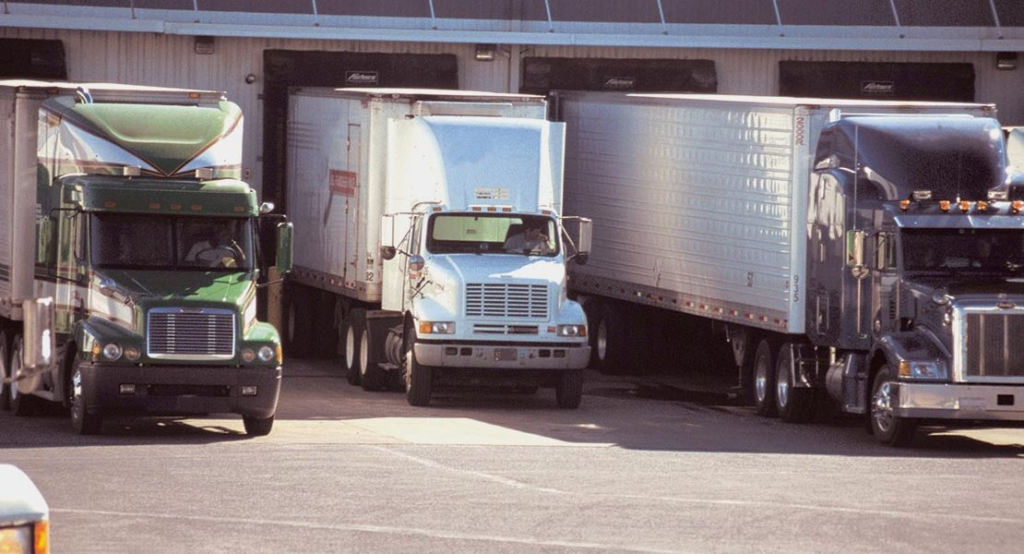
From a compensation aspect, this is a case of contradictory situations. In the absence of layover policies, the drivers have to cover the freight delays caused by others’ mistakes. Such inequality causes a lack of trust in the long run among the drivers and carriers and also the workers’ discontent is seen throughout the trucking sector.
Detention and Layover Pay Get Paid What You Deserve!
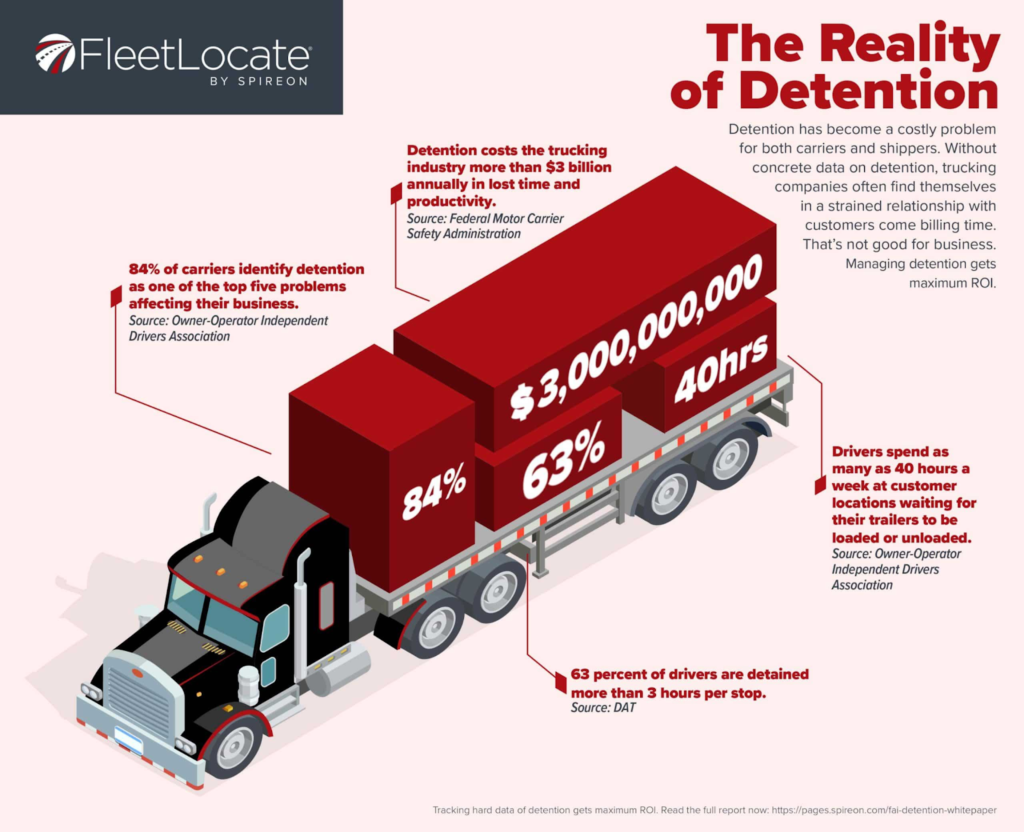
Layover pay, on the other hand, is generally mistaken for detention pay even though the two deal with different functions. Detention pay is the most commonly used when the driver is held longer beyond a few moments than a shipper or receiver has to pay, frequently calculated hourly. While layover compensation is mainly related to driver inactivity for a full day or a night, thus, effectively, a driver was off-duty.
Both payment mechanisms target the same goal, which is whether to reduce driver downtime, but layover pay addresses a more extensive range of scheduling problems than dock delays. Grasping this difference is crucial in the driver pay rate evaluation and total compensation package analysis.
Layover Pay vs Detention Pay
| Aspect | Layover Pay | Detention Pay |
| Trigger | Extended inactivity (usually 24+ hours) | Waiting beyond free loading/unloading time |
| Typical Pay Type | Flat daily rate | Hourly rate |
| Main Cause | Scheduling failures, freight delays | Dock congestion |
| Impact on Earnings | Protects full-day income loss | Offsets short-term delays |
| Paid By | Trucking company | Shipper / receiver (via carrier) |
Role of layover pay in driver earnings and compensation
Through the layover compensation, it can be argued that the driver compensation is more balanced. Usually, it does not amount to a full mileage day. However, it prevents the income from going down to zero by the large extent of time the driver has been idle. This position is the most important one for the drivers, who are paid for the miles driven, wherein a single unanticipated stoppage thanks to the layover might greatly impact the weekly wages.
The inconsistent and vague policy for layovers of drivers can lead them to perceive this time as part of their work that is unacceptable to be paid for. Moreover, the clear cut on laying off helps to prove that driver’s time has value even when the shipment is delayed.
Layover typical situations occur
Layover situations arise mainly not because of the driver but on account of systemic structures. Therefore, the most frequent reasons for layover are:
- Freight not available as scheduled
- Delivery appointments pushed to the next day
- Equipment or trailer availability issues
- Weather-related shutdowns or restrictions
- Dispatch or planning errors
Identifying these trends is a way for drivers to address layover compensation issues and make sure that those issues are addressed clearly in driver contracts.
Industry standards and common layover pay rates
Regulations on layover compensation are not uniform all over the place. Industry standards differ from carrier size, type of freight, and operational running models. Several trucking companies offer a flat daily rate after active hours reach a certain mark of inactivity for a driver, which is usually 24 hours. Some other companies employ a different structure of layover pay, which might involve a driver waiting at the terminal, a remote location, or a shipper.
However, more than just the number of dollars is the predictability factor. The drivers feel comfortable when they know the point at which layover pay will be triggered, how it will be computed, and what it will look like on their payroll statements.
Typical Layover Pay Structures
| Carrier Type | Common Layover Trigger | Typical Daily Amount |
| Large national carriers | 24 hours inactive | $100–$200 |
| Regional carriers | Overnight delay | $75–$150 |
| Specialized freight carriers | Case-specific | $150–$250 |
| Owner-operator contracts | Contract-defined | Varies by agreement |
Trucking regulations and guidelines for legal adherence
Despite the fact that there are no direct requirements for layover pay from federal law, it is part of the wider trucking regulation system and the employment standards. The time spent on a layover may also count as on-duty time due to hours-of-service rules. This interpretation aligns with established definitions of on-duty and off-duty time within U.S. Hours of Service regulations.
[Wikipedia – Hours of service (HOS) regulations]
Furthermore, wage laws and worker classification are processes that should be stuck to and thus, the same reflect legal compliance.
For independent contractors, layover compensation is shaped by trucking contracts whereby it is not so much about the company’s policy. In such agreements, there could be different references about the downtime, therefore, it is advisable that the owner-operators read the contract details attentively.
Layover pay and rights of the drivers
Layover compensation is the strongest connection to the drivers’ rights. Whenever the drivers are told that they should remain available, stay with equipment, or comply with dispatch orders, their time is labor, even if the truck is not moving. Fair pay policies should be in line with this fact.

Drivers empowered with clear rights can efficiently assess job offers, recognize unfair practices, and defend their interests during disputes over unpaid downtime.
The application of layover pay in driver retention
The retention of drivers is one of the key problems in the trucking industry. Sure, the bonuses for signing the contract do get the publicity, but the retention of drivers really depends on the way companies cope with everyday problems like delays and downtime. Layover pay is a silent yet powerful driver in this respect.
Impact of Layover Pay on Driver Retention
| Compensation Approach | Driver Perception | Retention Impact |
| No layover pay | Unpaid labor | High turnover |
| Inconsistent layover pay | Uncertainty | Moderate turnover |
| Clear, automatic layover pay | Fair treatment | Strong retention |
When drivers lose money from factors they can’t control for a long time, they tend to quit their jobs more. The companies that apply clear layover policies cut back on frustrations and elevate the value of driver’s time, which has a positive effect on long-term retention.
The way layover policies affect driver satisfaction
Driver satisfaction is formed by the fairness in dealing with problems rather than the actual pay rate. Layover situations serve as the touch points where the company’s culture becomes visible. Drivers often report more satisfaction with compensation policies being implemented automatically, without repeated requests or disputes.
Positive communication also reinforces trust. When drivers understand the reasons for the layover and how compensation will be handled, frustration decreases even if the delay itself is inconvenient.
Negotiating layover pay in trucking agreements
During the hiring or contract meetings, layover compensation should be discussed and clarified. Drivers should be ready to ask direct questions during pay negotiations, such as:
- When does layover pay begin?
- How much is paid per day?
- What documentation is required?
- Is layover pay capped or limited?
These discussions help eliminate ambiguity and prevent disputes over driver downtime compensation.
Layover pay for company drivers versus owner-operators
The functioning of layover compensation largely depends on whether a driver is a company employee or an owner-operator. Formal compensation structures for company drivers generally include layover pay as part of standard pay structures. Conversely, owner-operators typically negotiate layover terms directly within trucking contracts.
Because owner-operators carry higher fixed costs, extended unpaid downtime can have a disproportionate impact on their earnings. This makes contract clarity especially important for independent drivers.
Freight delays as an everyday occurrence
Freight delays are not going away. Supply chain complexity, labor shortages, and weather volatility ensure that trucking will continue to experience downtime. Companies that treat delays as shared operational risk, rather than individual driver failure, tend to maintain stronger workforces.
Layover compensation is one method of distributing that risk more fairly across the organization.
Layover pay within current pay systems
Modern pay structures in trucking continue to evolve. Layover compensation complements mileage pay, detention pay, and bonuses by addressing time-based losses rather than distance-based productivity alone.
This layered approach supports more stable driver earnings and protects drivers from sudden financial disruptions.
How layover pay is tied to driver satisfaction and quality of life
When layover pay is combined with broader driver benefits such as guaranteed minimum pay or predictable home time, compensation packages feel stable rather than reactive. This sense of financial security allows drivers to stay focused, engaged, and committed to their roles.
Common misconceptions about layover compensation
Although it is very important, layover pay remains misunderstood. Common errors include:
- Layover pay completely replaces detention pay
- Every trucking company applies the same layover policy
- Layover pay is optional regardless of the agreement
Clarifying these misconceptions helps drivers make informed decisions about trucking jobs and compensation packages.
Layover pay’s role in the future of the trucking sector
As supply chain operations become more interconnected, downtime is increasing rather than disappearing. Layover compensation has shifted from a fringe benefit to a core indicator of how trucking companies value driver time.
Carriers that adapt their compensation policies to operational reality will be better positioned to attract and retain qualified drivers in a competitive labor market.

Conclusion
Layover pay reflects the value of driver time even when freight is not moving. Understanding what is layover pay in trucking allows drivers to compare job offers accurately, negotiate fair agreements, and protect their income during unavoidable delays.
In an industry defined by uncertainty, fair driver downtime compensation remains one of the strongest signals of professionalism, respect, and long-term partnership between drivers and trucking companies.
Driver pay rates across the trucking industry are increasingly shaped by how carriers handle driver downtime compensation during freight delays and operational interruptions.
As industry standards evolve, trucking companies are revisiting pay structures to balance mileage-based earnings with fair compensation for inactive time. Clear driver agreements that define layover pay, detention pay, and other trucking pay rates support transparency and strengthen legal compliance with trucking regulations. Understanding driver rights within trucking contracts enables drivers to approach pay negotiations confidently and protect long-term earnings.
FAQ
1. What is layover pay in trucking?
For a layover pay, it is the coverage of the time when a driver is ready for work but due to the idleness of the operation cannot carry freight. This usually happens when there are canceled loads, appointments shifted to the next day, or freight is just not available. By this means drivers do not lose their wages for the stagnation while layover gives a hand to a driver in troubleshooting the lost income.
2. In which situations layover pay is used instead of detention pay?
Usually, detention pay covers short amounts of time at the docks for truckers, however, layover time gets into the picture when the delay is so long as to render the driving day productive. In case the truck is parked overnight or for a longer time due to scheduling or freight delays, then layover compensation is generally the tool used for offsetting that lost time.
3. Is it mandatory for trucking companies to pay layover pay according to the regulations?
Layover pay is not directly stipulated by federal trucking regulations. Nevertheless, compensation practices ought to comply with labor regulations, hours-of-service standards, and contract requirements. Many carriers prefer to set down layover policies as part of their employee compensation packages for breeding competition and promoting driver retention
.
4. What is the common way that trucking firms determine the laying over pay?
The majority of trucking firms would usually apply a flat daily rate after a certain period of time passes during which the driver was inactive, which is usually around 24 hours. Determining the exact rate of laying over pay will depend upon the company’s policy, kind of load, and contracts signed. The most important touchstone is maintaining the same line of action – it is critical for truckers to be informed primarily on the subject of how downtime compensation is performed.
5. Are there possibilities for drivers to negotiate the laying over pay rate before they accept the job?
Indeed, they can and they should, as well. Talking about layover pay is surely less common than that of mileage rates, but it can play a significant part in the total earning of a week. Drivers proving that they have made clarifications concerning layover pay during pay negotiations will have no issues about this in the future especially in the companies which seethe with freight delays.
6. Why does the laying over payment such an obviously predominant impact on driver satisfaction?
It is because this tells the company how much they appreciate the driver’s time. Keeping in mind that delays happen is part of trucking, but the farcical time without pay leads to frustration, and fluctuating income thereby causes a lot of stress. Clearly laid over policy increases trust, reduces misunderstandings, and enhances a long-period of driver dedication and commitment to the company.