

Introduction
Truck driving is a business that demands a lot more from drivers than what most people think. The mental health issues truck drivers face have not just recently become a pressing topic — they have always existed and quietly influenced the safety, decision-making, and the long-term careers of drivers. The only thing that has changed is the culture of having a talk around it. Long hours, isolation, disturbed circadian rhythm, and an excessive load of responsibility create a stress that doesn’t go away even when the engine is turned off. It just accompanies drivers into the cabins, into resting places, and sometimes back home.
Truck driver mental health is shaped by these daily conditions long before any obvious warning signs appear.
This constant pressure directly affects truck driver well-being, even when no obvious symptoms are visible.
The topic of mental health challenges among truckers is examined here without overdramatization or a suggestion of any particular solution. The first step is to achieve an understanding because, without it, no wellness initiative or support program can be effective.
Mental health awareness in trucking often starts with recognizing everyday stressors rather than extreme situations.
Mental Health Challenges in the Trucking Industry
The trucking industry is performance-driven, reliable, and reflects a commitment to timing. The pressures that come with the aforementioned characteristics create occupational stress that accumulates over the years rather than just over weeks. Drivers deal with reservations, traffic jams, bad weather, inspections, and equipment issues while trying to ensure adherence to the regulations. Even “good days” bring a high mental load.
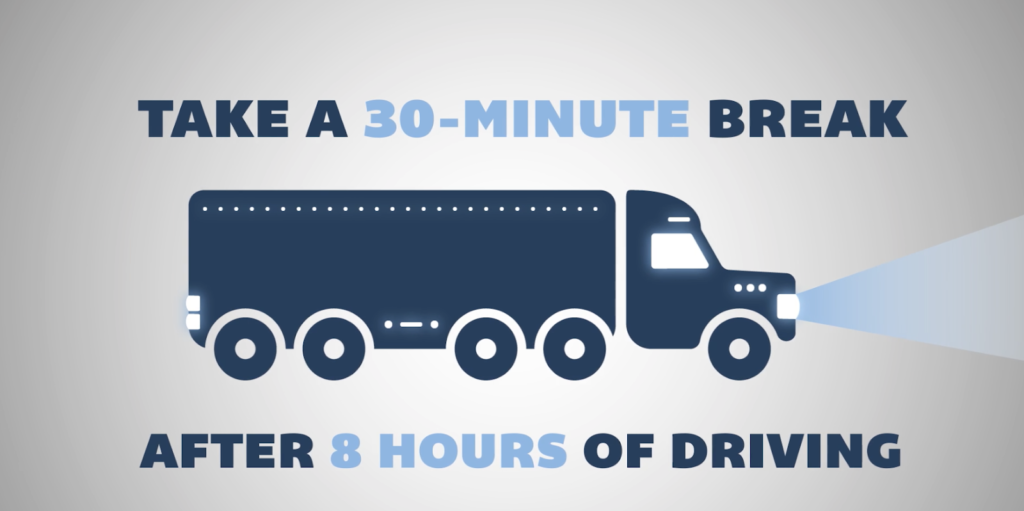
These pressures are intensified by strict trucking regulations that leave little room for recovery.
The main reason why mental health issues are challenging to detect is that many symptoms are embedded in daily work. Tiredness seems to be a new norm. Marked irritation is attributed as if it were nothing serious. Silence becomes a work necessity. Little by little, social isolation strengthens these patterns, particularly in long-haul drivers that are away from home for quite a long time and meet no one to speak to.
Occupational Stress and Daily Pressure Behind the Wheel
Long Hours, Tight Schedules, Constant Responsibility
Stress in the trucking industry comes rarely from one dramatic event. It usually comes from repetition. Schedules tend to get smaller. Loads accumulating. Doubts about the dispatch messages lingering. Even veteran drivers feel the pressure.
Common Sources of Stress
- uncertain delivery timeframes
- traffic delays that the driver still needs to account for
- regulatory compliance concerns regarding the trucking industry
- financial instability for owner-operators
- responsibility towards equipment, freight, and general public safety
Without proper stress management, these factors slowly turn into chronic strain.
Stress can be prevented in truck driving by temporarily alleviating it and not allowing it to evolve into chronic strain.
Social Isolation and Life on the Road

Social isolation is an invisible problem that seriously damages the truck driver’s well-being. A driver may spend a lot of time communicating with different people and yet feel disconnected. Technical Parameters of Conversations Efficiency at Technical Service Stations are Low. Fuel arrangements are done through phone calls rather than in person. Eventually, the changes in the work process lead to the emotional decay of the drivers.
Many drivers claim that some weeks come and go without a single real conversation that has not been contractual. This erroneous development is what causes the gradual erosion of mental resilience, and those who don’t have the strong support systems suffer the most.
Strong driver support systems can significantly reduce the long-term impact of isolation.
The trucking community which is healthy due to peer networks, online forums, or company-backed driver groups should radically change this situation by bringing people together. Such actions are valid when participation comes spontaneously rather than by force.
Depression and Anxiety Among Truck Drivers
Depression and anxiety sometimes do not have extreme expressions in the trucking environment. These are commonly seen in the form of indifference, irritability, and a disconnected feeling of purpose. For this reason, drivers are less inclined to use the term when it portrays the things they are experiencing.
Anxiety can be present as a constant worry about delivering cargo at the right time, budgeting funds, and repairing equipment. On the contrary, depression can become apparent through a losing interest in a work activity that was previously meaningful. Both syndromes can result in delaying reactions, impairing focus, and destabilizing emotional management and thus, they directly influence trucking safety.
Sleep Disorders, Fatigue, and Mental Health
Sleep Disorders and Mental Health: The Connection
Sleep disorders remain one of the most underestimated issues affecting mental resilience in trucking.
Sleep disorders are prevalent among truckers due to the irregular schedules and night driving. Poor sleep does not only cause tiredness, but it also amplifies anxiety, reduces the stress threshold, and makes it harder to manage one’s emotions.
Driver fatigue is a safety issue and moreover a mental health issue. Without proper time for recovery, rest breaks which are either seen awkwardly or seem to be solely casual will never happen. It is vital to maintain good sleep hygiene, but it has to be adapted to the real reality.
Sleep, Fatigue, and Mental Health Impact
| Issue | Mental Impact | Driving Risk |
| Poor sleep | Irritability | Slower reaction |
| Chronic fatigue | Anxiety | Lane drift |
| Irregular schedule | Depression | Reduced focus |
Modern trucking safety standards increasingly recognize fatigue as a core risk factor.
Truck driving safety relies on the recognition that fatigue involves not just the ability to stay awake but also the ability to make sound decisions.
Why Mental Health Affects Trucking Safety and Retention
When it comes to driver retention, talks mostly revolve around pay, routes, and equipment. Nevertheless, mental well-being is equally significant. Cumulative stress and untreated fatigue have a direct result in burnout, accidents, and premature exits from the industry.
Employee wellness programs cannot afford to neglect mental health because it is one of the leading reasons for turnover. Drivers are not simply leaving because of harder trips — it’s the pressure that becomes unrelieved and constant without any outlet. Truck driver mental health directly influences long-term safety outcomes and driver retention.
Support Programs and Driver Assistance Systems

Effective Solutions on the Road
Support programs are only effective when they respect the reality of a driver. The incorporation of overly rigid solvers does not accrue benefits. Driver facilities pragmatically devoted to the confidentiality and accessibilities.
Functional Support Systems
- mental health resources that are anonymous
- peer-support programs
- flexible scheduling when possible
- education without judgment
- support hotlines for drivers
Well-designed driver health programs focus on accessibility rather than formality.
When the drivers trust the system, they seek it.

Healthy Lifestyle and Workplace Wellness in Trucking
A healthy lifestyle in trucking is not about being perfect. Rather, it is about being consistent. Small actions like proper hydration, physical activity, and taking adequate rest are keys to better mental health as well as physical health for drivers.
Effective Wellness Programs
- are based on real work schedules
- are not unrealistic
- promote a long-term healthy lifestyle
Mental Health Resources and Education for Drivers
Education is a powerful but quiet tool in the fight against negative mental health stigma. The understanding of symptoms helps the drivers witness when the stress factor becomes a serious threat.
5 Tips to Help Truck Drivers Improve Your Mental Health
Informational Resources
- FMCSA guidelines on fatigue and safety
- CDC tools for sleep and occupational health
- National Institute of Mental Health (NIMH) informative materials
These mental health initiatives are especially successful if they are paired with practical applications and not just information. Truck driver mental health improves when education is connected to real driving conditions.
Erasing Mental Health Stigma in the Trucking Community
Mental health stigma is not something that vanishes through policy; rather, it is a conversational process. When drivers listen to other drivers’ gossip, walls start to crumble. The trucking community always has attributed honesty as a major virtue; thus, applying this value to the mental health topic will lead to positive results.
Practical Solutions for Drivers and Fleets
The improvement of mental health in the trucking industry is a collective effort.
For Drivers
- use consistent methods of rest
- notice signs of fatigue earlier
- stay connected with support systems
For Fleets
- normalize mental health issues
- fund driver support programs
- scheduler stability a priority
Frequently Asked Questions
How common are mental health challenges among truck drivers?
The prevalence of mental health problems has been underreported as the primary factors are stress, fatigue, and the isolation associated with truck driving.
Can fatigue affect mental health?
Yes, driver fatigue has a direct impact on mood, emotional stability, and stress levels, which can increase the likelihood of anxiety and depression.
What mental health resources are available to truck drivers?
Some resources are FMCSA guidance, CDC occupational health tools, NIMH educational materials, and the driver assistance programs offered by employers.
How can fleets support driver well-being?
They can encourage workplace wellness, reduce stigma, create support systems, and treat mental health as a safety issue.
In what way do sleep disorders affect truck drivers besides just feeling physically fatigued?
Sleep disorders are not only responsible for the tiredness of drivers. Sleep deprivation or sleep having a fickle rhythm leads to changes in not just the mood but also the patience and decision-making. For instance, many drivers report that they become more irritable or anxious long before they associate those feelings with their sleep quality, which can unintentionally affect safety and concentration behind the wheel.
Why is it necessary to have mental health awareness in the trucking industry?
Through mental health awareness, truck drivers get to realize that the chronic stress, isolation, or lack of emotional reaction are not things that are their fault. Taking about these issues openly helps drivers notice it and they are then prone to students who address issues early instead of deal with them until they burn out or make mistakes.
Can mental health education assist truckers on the road?
For sure, Mental health education provides drivers with practical knowledge and not only theory. People understand how stress, fatigue, and emotions are interconnected help drivers fire warning signals for themselves and others, so they find it easier to readjust, or seek help before the problems get out of hand.
Is it sufficient to improve sleep only to support the drivers’ mental health?
Sleep improvement is helpful but it is not the only and complete solution. Sleep quality, stress management, and emotional support must be taken together. Taking care of one only, without looking after the others, only sometimes leads to temporary recovery, while the overall good state remains elusive.
Final Thoughts
The mental health of truckers is not solely about either being strong or weak. It is equally a question of sustainability. When drivers are mentally supported, the safety, retention, and the whole industry will be better off.
Truck driving will always be a profession that requires concentration and a sense of responsibility. The problem comes when those demands become so serious that they quietly destroy the very people who keep freight moving. Before queuing comes the understanding — only then do the solutions follow.